

Why Choose Us
Product Application
Our products can provide technical protection for the toughest of weather conditions. For AW21, we proudly produced functional garments for athletes from China, Japan, France and other European countries to participate in the 2022 Beijing Winter Games!
Our Certificate
We always feel that all success of our company is directly related to the quality of the products we offer. They meet the highest quality requirements as stipulated in SGS, JIS guidelines and our stringent quality control system. We have the BCSI and SLCP certificate.
Production Equipment
Our company has the latest state of the art equipment like a laser cutting machine, seam sealing machine, hot press machine, seam taping complement machine, water pressure instrument and heat-transfer printing machine.
Production Market
Our main markets are Japan, Europe and the U.S. Committed to constantly designing and developing new products, we are confident to meet all customers' requirements.
What is Ski Jacket?
A ski jacket is a specialized type of outerwear designed to provide warmth, protection, and functionality during skiing or other winter sports activities. It is typically made from durable and waterproof materials to shield the wearer from cold temperatures, wind, and snow. Ski jackets often feature insulation, adjustable hoods, ventilation systems, multiple pockets, and other technical features to enhance comfort and performance on the slopes. They are an essential piece of gear for skiers and snowboarders, ensuring they stay comfortable and protected in harsh winter conditions.
-
![Mens Waterproof Ski Jacket]() Add to Inquiry
Add to Inquiry -
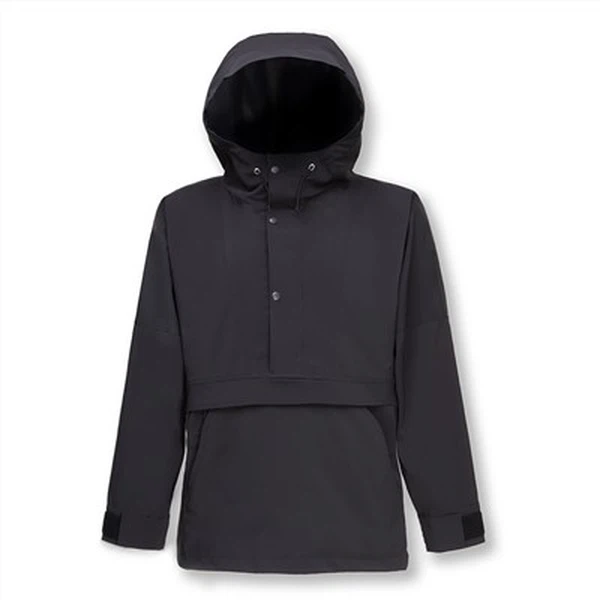
![Mens Hooded Ski Jacket]() Add to Inquiry
Add to Inquiry -
![Men's Pullover Ski Jacket]() Add to Inquiry
Add to Inquiry -
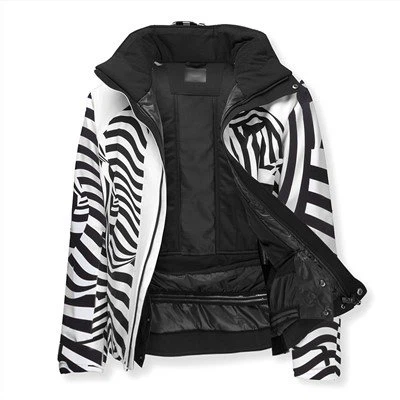
![Mens Printed Ski Jacket]() Add to Inquiry
Add to Inquiry -
![Mens Down Ski Jacket]() Add to Inquiry
Add to Inquiry -
![Mens One Piece Ski Suit]() Add to Inquiry
Add to Inquiry -
![Mens Shell Ski Jacket]() Add to Inquiry
Add to Inquiry -
![Mens Ski Inner Jacket]() Add to Inquiry
Add to Inquiry -
![Womens Waterproof Ski Jacket]() Add to Inquiry
Add to Inquiry -
![Womens Hooded Ski Jacket]() Add to Inquiry
Add to Inquiry -
![Womens One Piece Ski Suit]() Add to Inquiry
Add to Inquiry -
![Womens Printed Ski Jacket]() Add to Inquiry
Add to Inquiry




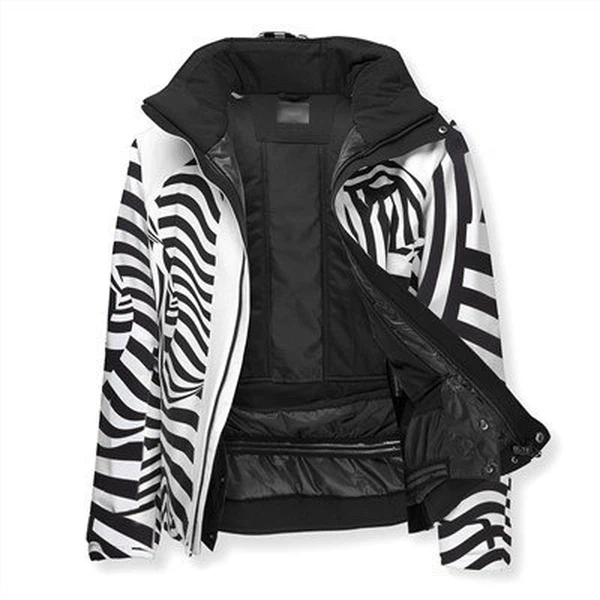
Warmth
●Insulation: This is the section in the middle that traps heat and keeps you warm. The best options feature natural goose down or high-quality synthetic insulation.
●Liner: This is the innermost part of the jacket that lines the inside, providing a soft texture and keeping the insulation in place.
●Exterior: Jackets made with take it a step further by incorporating warming technology into the exterior of the coat as well. If you’re in a particularly cold climate with extreme conditions, or you tend to get cold easily, opt for a ski jacket with that can soak up solar heat to add extra warmth.
Durability
Unlike a regular winter coat that you wear around the city, your ski jacket gets subjected to quite a bit of wear and tear. It needs to be durable enough to handle things like snagging on tree branches or leaning against rocks, so look for tough materials like nylon or polyester that are also lightweight and moisture-resistant.
Moisture management
You work up a sweat when you ski and snowboard so your coat needs to be properly ventilated. Seek options with features like side zippers, mesh panels, or pit zips. In addition to offering airflow, it’s nice if the material itself offers breathable material (that's also waterproof) Moisture-wicking fabrics are also important, along with liners and other elements that can dry quickly.
Water-resistance
Having a waterproof ski jacket is an essential part of the equation. Fluffy white powder may feel light and dry, but the minute it melts, it’s just water. For that reason, it’s imperative that your coat is constructed with waterproof-breathable materials. Otherwise, you will spend the day wet and miserable. Jackets featuring weather protection systems such as Omni-Tech are typically the best choices.
A waterproof, breathable fabric
You need a fabric that keeps the snow and rain out, and lets your sweat escape too. is still the industry leader in this respect: A membrane which is sandwiched between an outer and inner layer of fabric, and has over 1.4 billion pores per square centimetre.
Taped seams
There’s no hope your ski jacket will be waterproof unless it’s got taped seams. Why not? Because the stitching in a seam goes right through the waterproof membrane and offers the perfect entry-point for water.
A high collar
I’ve spent many a chair-lift ride on windy, sub-zero days wishing the collar on my ski jacket was higher. High collars can be pulled up over your chin, lips and even the tip of your nose to keep the wind off. If it’s properly Arctic, then you should probably invest in a neoprene facemask, too, but it’s great to have the extra protection offered by a good ski jacket.
A hood that fits over your helmet
All sensible skiers wear helmets these days (read our ski helmets feature for more on that): and all sensible ski jacket manufacturers make jackets that fit over the top of ski helmets.
Extra-long sleeves and/or snow-cuffs
You don’t want snow up your sleeves, and there are two ways the design of a ski jacket can help you avoid the problem. The first, is if the sleeves are extra long (for example, the sleeves on some jackets come right up to your knuckles). The second is by the inclusion of stretchy inner cuffs which hook over your thumb. Not only do these stop the snow from finding a way in, they are also prevent your sleeves riding up your arms.
Underarm ventilation zips
You’re on a mountain in winter. There’s a thick blanket of snow on the ground. By rights, you shouldn’t be overheating.
A lift-pass pocket on your left arm
Most lift passes are electronic these days; and in the Alps most of these are controlled by sensors which are on the left-hand side of the gates that let you onto the lifts. So, it makes sense to store your lift pass in a pocket on your left sleeve. On your lower arm, just above the wrist, is the most sensible position (so you can wave it around if the sensor is a bit slow on the uptake), although some are on the upper arm.
An inside pocket for your phone
Snow is cunning stuff: It’ll worm its way in through the smallest opening. Wipe out on a powder day, and – Even if your pockets are only slightly unzipped – You’ll find them soaking wet when you get back to your chalet.
A snow skirt
Anyone who skis powder needs a jacket with a snow skirt – Which fastens over your hips, underneath the jacket, to stop snow getting up inside and making your base layer wet. You’ll be particularly thankful for it if you wipe out in deep snow.
A colour you can live with
The bright colours that have dominated ski fashion for the past few years look fabulous on the slopes. But you may feel ridiculous in them if you’re popping out for a pint in your local. If you ski a lot, and want a jacket which you’ll only wear on the slopes, then that’s not a problem.
Special Features For Ski Jacket
Hood - There are a few options for hoods. Detachable hoods can be removed, so on mild days you can take it off to increase comfort. Attached hoods remain on the jacket permanently. Stowaway hoods are also permanently attached, but there is a special pocket on the jacket you can place it in. This ensures you never have to worry about misplacing your hood.
Storm Flap - This can also be referred to as the front zipper cover. Zippers have a lot of gaps, so it can be easy for moisture to enter through them. This flap covers the front zipper preventing wind and water seeping through your zipper. This is a very important feature for jackets.
Powder Skirt - This is a detachable piece of fabric with a snap closure at your waist that has many uses. Its main purpose is to block snow from entering your front and back, but it also can trap heat ensuring your warmth. Conversely, if you are feeling warm, unsnapping the fabric will allow heat to escape, returning your body to a comfortable temperature.
Pit Zipper - Another feature to help manage your heat. This zipper is located near your armpits, making this an easy method to release or trap heat depending on how you are feeling.
Wrist Closure - Wrist closures help fight against wind and water from entering your arms. Your arms and wrists can get cold fast, so this is another important feature. The closures are easily adjusted using snap, velcro, or elastic.
Cinch Cord - Located at the bottom of your jacket, the cinch cord can be fastened to stop wind and water from creeping up your body through the bottom hem.
Pockets - There are various pocket options for jackets. We live in a digital age, so the electronics pocket is a good place to store your iPods, smart phones, or other small electronics. If you enjoy music while hitting the slopes, this could be a nice luxury. A goggle pocket houses your goggles when you are not wearing them.
Types Of Ski Jacket
Insulated Ski Jacket - Just as it sounds, this jacket is constructed with an insulated layer that is built in the jacket. The outside is typically a waterproof and windproof shell, while the insulation is typically made of a synthetic material like Primaloft. The insulation is typically measured in grams; higher gram amounts equates to increased warmth. A nice rule is anything under 60 grams is lightly insulated and good for mild conditions, while anything over 100 grams are designed for extreme weather conditions.
Shell Ski Jacket - These jackets are highly breathable and maximize mobility because it is simply a waterproof and windproof shell. The main difference from above is the shell does not contain any insulation, enabling you to add your own layers underneath to control your temperature. If you choose a shell, be sure you understand how to properly contain body warmth using base and mid layers. Also, it is important to note that in very cold climates shell jackets, no matter how well layered you are, may not be able to keep you warm throughout the day.
As the winter season approaches, avid skiers and snowboarders eagerly anticipate hitting the slopes. And while the thrill of gliding down a snow-covered mountain is undoubtedly exhilarating, it’s crucial to ensure that you’re properly equipped for the elements. One essential piece of gear that should never be overlooked is the ski jacket. Not only does it provide protection from the cold and wind, but it also adds a touch of style to your winter wardrobe.
In recent years, ski jacket design has undergone a remarkable transformation. Gone are the days of bulky, shapeless outerwear that hindered movement and weighed you down. Today, ski jackets are not only functional but also fashionable, allowing you to express your personal style while conquering the slopes.
One of the latest trends in ski jacket design is the use of innovative materials. Manufacturers have been experimenting with advanced fabrics that offer superior insulation and breathability. These materials are designed to keep you warm and dry, even in the harshest weather conditions. Additionally, they are lightweight and flexible, allowing for unrestricted movement as you navigate the mountain terrain.
Another exciting development in ski jacket design is the incorporation of cutting-edge technology. Many jackets now come equipped with built-in heating systems, ensuring that you stay cozy and comfortable throughout your day on the slopes. These heating elements are discreetly integrated into the jacket’s lining, providing warmth without compromising style. Additionally, some jackets feature built-in GPS trackers, allowing you to keep track of your location and share it with friends or family for added safety.
In terms of style, ski jackets have become increasingly versatile. No longer limited to basic black or muted colors, they now come in a wide range of vibrant hues and eye-catching patterns. Whether you prefer a bold, statement-making jacket or a more understated, classic design, there is a ski jacket out there to suit your taste. Furthermore, many jackets feature customizable options, allowing you to add personal touches such as patches or embroidery, making your jacket truly one-of-a-kind.
Functionality remains a top priority in ski jacket design. Many jackets now feature multiple pockets, strategically placed for easy access to essentials such as goggles, gloves, and snacks. Additionally, adjustable hoods and cuffs ensure a snug fit, keeping out the cold and snow. Some jackets even have removable powder skirts, allowing you to transition seamlessly from the slopes to après-ski activities without compromising style or comfort.
As ski jacket design continues to evolve, it’s important to remember that the ultimate goal is to enhance your skiing experience. Whether you’re a seasoned pro or a beginner hitting the slopes for the first time, investing in a high-quality ski jacket is essential. Not only will it keep you warm and protected, but it will also make a statement about your personal style and love for adventure.
So, as you prepare for your next winter adventure, take the time to explore the latest trends in ski jacket design. Embrace the innovative materials, cutting-edge technology, and vibrant styles that are now available. Find a jacket that not only meets your functional needs but also reflects your unique personality. With the right ski jacket, you’ll not only conquer the mountain but also do so in style.
Our Factory
Our main strengths lie in our wide range of expertise, outstanding quality, reasonable prices and short lead times. We have an experienced management team and strong sample development skills. Quality, speed, and competitive pricing are the core elements of our production. We ensure that all products are monitored and tested at each stage of the production process, and all finished items are under final inspection before packing. We accept small orders, capsule collections, OEM & ODM orders.

FAQ
We're well-known as one of the leading ski jacket manufacturers and suppliers in China, featured by quality products and good service. Please feel free to buy bulk customized ski jacket made in China here from our factory. Contact us for more details.
petite wool coat womens, spring ski and snowboard jackets, fleece lined winter coat