

Why Choose Us
Product Application
Our products can provide technical protection for the toughest of weather conditions. For AW21, we proudly produced functional garments for athletes from China, Japan, France and other European countries to participate in the 2022 Beijing Winter Games!
Our Certificate
We always feel that all success of our company is directly related to the quality of the products we offer. They meet the highest quality requirements as stipulated in SGS, JIS guidelines and our stringent quality control system. We have the BCSI and SLCP certificate.
Production Equipment
Our company has the latest state of the art equipment like a laser cutting machine, seam sealing machine, hot press machine, seam taping complement machine, water pressure instrument and heat-transfer printing machine.
Production Market
Our main markets are Japan, Europe and the U.S. Committed to constantly designing and developing new products, we are confident to meet all customers' requirements.
What is Winter Outerwear?
Winter outerwear refers to clothing designed to protect against cold temperatures and harsh winter weather conditions. This category encompasses a range of garments, each serving specific functions to keep individuals warm, dry, and safe during the winter season.
-
![Mens Hooded Puffer Jacket]() Add to Inquiry
Add to Inquiry -
![Mens Light Pullover Puffer Jacket]()
Mens Light Pullover Puffer Jacket
Add to Inquiry -
![Down Puffer Vest Men's]() Add to Inquiry
Add to Inquiry -
![Mens Warm Puffer Long Coat]() Add to Inquiry
Add to Inquiry -
![Men's Quilted Down Jacket]() Add to Inquiry
Add to Inquiry -
![Womens Hooded Puffer Jacket]() Add to Inquiry
Add to Inquiry -
![Womens Lightweight Puffer Jacket]()
Womens Lightweight Puffer Jacket
Add to Inquiry -
![Womens Lightweight Puffer Coat]()
Womens Lightweight Puffer Coat
Add to Inquiry -
![Womens Lightweight Puffer Vest]()
Womens Lightweight Puffer Vest
Add to Inquiry -
![Long Winter Puffer Coat Womens]()
Long Winter Puffer Coat Womens
Add to Inquiry -
![Ladies Quilted Down Jacket]() Add to Inquiry
Add to Inquiry


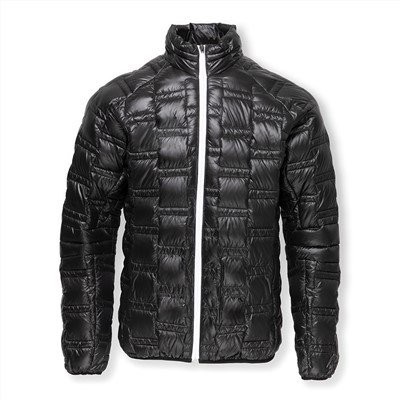


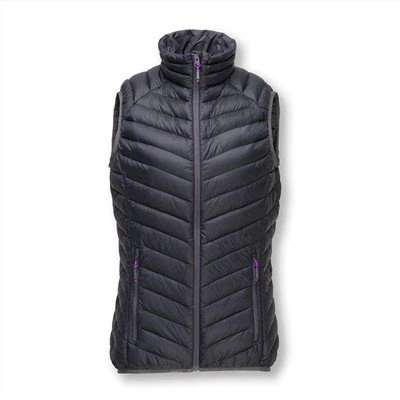


Where Will I Wear The Jacket?
Before choosing a winter coat, consider where you will be wearing it because that may help you narrow down your choices. This will also impact the style and material you choose.
How Do I Choose The Right Coat For My Body?
Your body type can help you choose the perfect coat that looks fabulous on you.
What Color Winter Jacket Should I Buy?
Color is more of a personal preference. Take into consideration what accessories you’ll be wearing with it (your hat, gloves, and scarf, for example) and ensure it’s color coordinated. If in doubt, go with neutral, grey, black, or white.
What Fabrics Are The Warmest?
When looking at natural fabrics, wool is one of your warmest options for a winter coat. You can often pair it with synthetic insulation for added warmth. Always ensure the outer layers are waterproof. If your inner layers get wet, they won’t provide you with the warmth you need to stay dry and warm in cold climates.
What Fabrics Are Waterproof?
In addition to warmth, you’ll likely want a jacket with some waterproofing or water resistance to protect and keep you warm in rain or snow. The most common fabrics for the outer layer of jackets are nylon and polyester, but these are both synthetic fabrics.
How Do I Know If My Jacket Is Warm Enough?
Winter jackets generally include a weather rating to give you an idea of how warming the coat will be. The jacket layers and fit make a big difference, but the right materials will make all the difference for a cold weather jacket.
What Other Winter Jacket Features Do I Want?
There are other functional and aesthetic features you may want to consider when choosing a winter coat this year:
●Pockets: Most winter coats have pockets, but you may prefer ones with zipper enclosures or buttons.
●Removable Hoods: The convenience of a removable hood, like most Mia Melon styles offer, is great for those surprise sunny winter days when a head covering isn’t necessary.
●Zippers: If you're choosing a winter coat with a zipper, look for one that is durable. Two-way YKK zippers are a good choice for a winter jacket.
●Wind Flaps: This fabric will cover and protect the zippers of your jacket from exposure to wind and rain, extending the lifespan of your zipper.
●Faux-fur trim: Faux-fur is a perfect choice for your stylish winter coat. In the Anna coat, it’s included in the removable snap hood.
Hood
Whether fully detachable or fixed to the jacket, a hood enhances overall warmth and shields you from blizzardy weather. Consider its size and adjustability to ensure it adequately covers your head and accommodates various weather conditions. Check for features like a soft fleece lining or a removable ruff, which can enhance warmth and versatility based on your preferences and the climate you’ll be facing.
Pockets
When searching for good pockets in a winter coat, consider their size and accessibility, ensuring they are spacious enough to accommodate essentials like gloves and easy to reach. Look for pockets with secure closures, such as zippers or flaps, to prevent items from falling out and to protect them from the elements. Additionally, evaluate the lining material, as fleece-lined or insulated pockets can provide extra warmth for your hands.
Two-way zippers
A jacket you can unzip from the bottom and the top allows for increased mobility and ventilation. They’re a must in longer jackets that go past the knee, and are particularly useful for activities like hiking or commuting, where varying temperatures and the need for flexibility may arise. Zippers are one of the first things to malfunction on a winter coat, so look for two-way zippers that are durably made.


Cuffs
When selecting cuffs for a winter coat, consider their ability to seal in warmth while preventing cold air from entering. Adjustable cuffs with closures like snaps or hook-and-loop fasteners offer a customizable fit, accommodating different layers and providing a barrier against the elements. Make sure they also fit the activity you plan to do. Thick ribbed cuffs work well in an everyday coat, while a jacket you’ll use on the slopes needs cuffs that accommodate ski gloves.
Drawstrings
Drawstrings in a jacket enhance functionality and add versatility by allowing you to adjust the fit, tailoring the garment to your body for optimal comfort and warmth. Some jackets have drawstrings at the waist that let you to cinch the jacket in for a more fitted look, while drawstrings at the hem and around the collar or hood prevent cold air from entering and trap heat.
Color
Pick a color that fits with your wardrobe. If you want to be visible, a bright pop of color stands out against the snow; if you’re looking for something that can transition between the office and everyday wear, you can’t go wrong with darker tones or classic black.
Benefits Of Wearing Coats In Winter
Protect You Against the Winds
Warm and cozy coats are one way to survive in this harsh winter. Thick and good-quality coats usually slow down the process of thermal equilibrium. That means they do not allow the wind to pass through them and keep you warm for a longer time.
Level Up Your Style Game
You can handle the cool breeze with the old traditional bulky coats but it will compromise your sense of style big time. Just play smart and choose outfits that not only give you enough coverage but look stylish as well.
Repel Moisture in Winter
Water-resistant coats and jackets are the kinds of outfits that are much raved and popular among women these days. Nobody wants to ruin their look because of heavy rain and snow in this harsh winter. Waterproof coats are designed in a way that does not allow the moisture on the outside to affect you in any way thus keeping you dry and cozy no matter what the weather conditions are.
Act as Your Perfect Party Wear
The festive season is all about parties and events. One thing that bothered a lot of women during this time is the choice of a perfect outfit. The stress you feel before any event is real and can sometimes take a toll on your mental health. The constant urge to look unique and to stand out from the rest is quite justified.
Help You Avoid Getting Sick
Wearing inappropriate clothing during winter can lead to some serious diseases in people who have a weak immune system. We surely do not want to spend this time on our beds with a sore throat and runny nose. By choosing carefully the right kind of attire, we can easily avoid getting sick.
Hold Your Body Heat Well
If you are a working woman or even a college-going girl and spend most of the day outside of the house, you want some extra protection against the cold. It sometimes becomes tricky to cover your whole body and still look stylish. There are specially designed coats and jackets for this purpose.
Tips On Choosing The Right Winter Outerwear
Consider the Sizing
Generally, when you’re looking for outerwear, the rule is to go for a size bigger. What you don’t want to do though, is to go for a size that makes you look more like a pile of coats than a person wearing one. When you try on your coat, make sure that you allow plenty of room for jumpers and layering. If it feels a little too snug when you do, it might be worth going for a bigger size. If you’re not convinced a bigger size is the best option for you, why not go for an oversized style coat?
Look at the Big Picture
By this, we mean consider a coat that fits in with most of your wardrobe, and think about the times you’ll be wearing it. If you’re wearing it for work where you have a smart dress code, you’ll need a smart jacket to match.
Prioritise Warmth
When it comes to winter coats, the clue is sort of in the name: winter. While you of course want to look your best, your priority really should be choosing something that’s going to keep you warm.
Think Long Term
Going with what’s on trend is great, but when it comes to buying a winter coat, you don’t want to invest in something that looks amazing this year and then is completely out of style. So, look at styles that are going to stand the test of time. Something that ticks this box is the traditional parka, such as thisRaka Sherpa Lined Parka (£35).
Put Quality Over Cost
When buying a winter coat it’s easy to get into the mindset that you need to spend as little as possible. However, just because something is cheap it doesn’t necessarily mean it’s good quality.
Warmest Fabrics To Consider For Your Winter Outerwear Coat
Wool
Whenever the subject of winter coats comes up, wool is the first material that will come to mind. Many consider it as the best fabric for winter.
Faux Fur
Faux fur is a fabric made from various materials including acrylic and modacrylic polymers to imitate the appearance and warmth of real fur. It is relatively cheaper and easier to maintain than real fur. Given the proper care, your faux fur jacket can last for a long time.
Nylon
Nylon is another excellent choice for winter coats. Made entirely from synthetic materials, this versatile fabric has a number of characteristics that make it an excellent material for winter wear.
Hemp
Yes, you read it right. Hemp. It’s a great choice if you’re looking for a sustainable, cruelty-free, and eco-friendly gear this winter.
Flannel
Bundle up in a flannel coat when winter comes. It’s a staple fabric for winter wear. It’s incredibly comfortable, functional and durable. Flannel is originally made from carded wool or worsted yarn. The air pockets in its fabric help shield you from the cold even on the most frigid weather.
Cashmere
Do you want something more classy and fashionable? Long associated with luxury, cashmere is one of the warmest materials perfect for special event coats. It is soft and silky! It is super warm and breathable. A cashmere coat is definitely worth the price. It is a good investment and will pull together the rest of your winter wardrobe with ease.
Mohair
With its unique frizzy look, mohair is a favorite for jackets and winter coats. Made from the fleece of Angora goats, it is second to none when it comes to natural fiber durability. It is warm and fuzzy, and it suits both men’s and women’s wardrobes.
Cotton
Did you know that you can use cotton during winter too? Though popular for its breeziness during summer, it can be made thick to hold up the elements of winter. It is perfect for people who have allergies to fabrics like fleece and wool. It is very soft and breathable.
Corduroy
Judging from different fashion shows, corduroy jackets and pants never go out of style! They are very attractive and warm. With its unique construction and texture, corduroy is soft and comfortable to wear.
Our Factory
Our main strengths lie in our wide range of expertise, outstanding quality, reasonable prices and short lead times. We have an experienced management team and strong sample development skills. Quality, speed, and competitive pricing are the core elements of our production. We ensure that all products are monitored and tested at each stage of the production process, and all finished items are under final inspection before packing. We accept small orders, capsule collections, OEM & ODM orders.

FAQ
We're well-known as one of the leading winter outerwear manufacturers and suppliers in China, featured by quality products and good service. Please feel free to buy bulk customized winter outerwear made in China here from our factory. Contact us for more details.
women s cross country ski jacket, warm wool coat womens, womens ski coat