

Why Choose Us
Product Application
Our products can provide technical protection for the toughest of weather conditions. For AW21, we proudly produced functional garments for athletes from China, Japan, France and other European countries to participate in the 2022 Beijing Winter Games!
Our Certificate
We always feel that all success of our company is directly related to the quality of the products we offer. They meet the highest quality requirements as stipulated in SGS, JIS guidelines and our stringent quality control system. We have the BCSI and SLCP certificate.
Production Equipment
Our company has the latest state of the art equipment like a laser cutting machine, seam sealing machine, hot press machine, seam taping complement machine, water pressure instrument and heat-transfer printing machine.
Production Market
Our main markets are Japan, Europe and the U.S. Committed to constantly designing and developing new products, we are confident to meet all customers' requirements.
What is Womens Winter Outerwear?
Women's winter outerwear encompasses a range of garments designed to keep women warm, protected, and comfortable during cold winter months.
-
![Womens Hooded Puffer Jacket]() Add to Inquiry
Add to Inquiry -
![Womens Lightweight Puffer Jacket]()
Womens Lightweight Puffer Jacket
Add to Inquiry -
![Womens Lightweight Puffer Coat]()
Womens Lightweight Puffer Coat
Add to Inquiry -
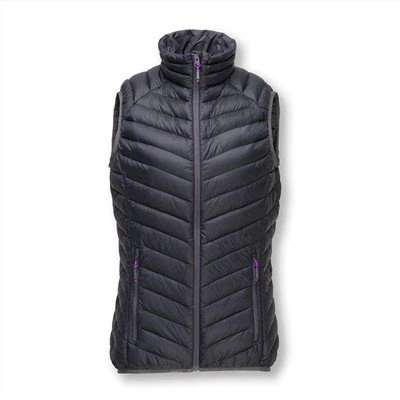
![Womens Lightweight Puffer Vest]()
Womens Lightweight Puffer Vest
Add to Inquiry -
![Long Winter Puffer Coat Womens]()
Long Winter Puffer Coat Womens
Add to Inquiry -
![Ladies Quilted Down Jacket]() Add to Inquiry
Add to Inquiry




Insulation
Where you live and how you spend your time outside determine how much insulation you need to stay warm. If you're out chopping wood, feeding livestock, or running from the car to the office, you can get away with something lighter. If you're standing around the tailgate, waiting for the bus, or counting birds at a field station, you'll want a much warmer jacket.
Down Insulation
Down insulation is the fluffy plumage that grows beneath the outer feathers of ducks and geese. It's one of nature's great insulators. Unfortunately, harvesting it usually kills the bird. See our Sourcing Ethics discussion below for more information on this topic.
Synthetic Insulation
Synthetic insulation is any human-made insulator. It's usually plastic-based, such as polyester threading and fibers that mimic the structure of down. The fibers trap warm air like down, but they don't clump or lose loft when wet.
Features
Features like fleece-lined pockets and insulated hoods can make a big difference in how warm a winter jacket keeps you. Cozy cuffs are a favorite example, particularly those with thumb holes. Cinched waists that block drafts are another.
Hoods
Any self-respecting winter jacket is going to have a hood. Not only does it protect your head in stormy weather, but it also provides warmth on frigid days. Many zip or snap off for mild days or shoulder seasons.
Pockets
We appreciate the winter jackets that feature pockets with soft fleece lining. They warm our hands up quickly. And be sure to check that there is insulation between the pockets and the outside of the coat. Many pockets aren't insulated, and we always notice.
Two-way Zippers
Two-way zippers are more or less mandatory on any knee-length parka. Long jackets are more challenging to move around in than a mid-thigh or hip-length option. Unzipping the bottom a bit helps you walk and sit comfortably. Almost all knee-length models we tested have a two-way zipper.
Storm Flaps
We appreciate jackets with a storm flap to snap over the zipper, providing extra protection from wind and water. A bonus is that the snaps can quickly close the coat if it's not cold enough to zip it all the way up, or you're in a hurry.
Cuffs
Wrist cuffs are excellent at trapping heat and keeping precipitation out. The cuffs on the jackets we've tested are fleece, knit, elastic, or nylon. Others are adjustable via a snap or Velcro closure. Some work better than others.
Shell
Very cold places tend to be dry. Frigid air doesn't have the energy to carry much moisture and, if it does, that water is frozen. Warmer winters tend to be wetter. In a wet climate, you'll want something waterproof or at least water-resistant. Whether a jacket can resist or completely seal water out depends on its construction and whether it's treated with a durable water-repellant (DWR) coating.
Waterproof Membranes
Waterproof jackets are made by layering fabrics, one of which must be a working waterproof membrane. This layer blocks rainwater or snowmelt. If the membrane is also breathable, it will release some of the heat and sweat you generate through pores, millions of them per cubic inch.
Long Winter Jackets for Women
First on our list is the ever-classic long winter jacket. These jackets provide ample coverage and warmth, making them perfect for extremely cold climates.
Best Women’s Winter Jackets
When it comes to the “best” winter jackets for women, it’s subjective to your liking. It all comes down to your specific needs and preferences.
Leather Jackets for Women
While they may not be the warmest option for extreme cold, they are perfect for milder winter days when you want to make a fashion statement without compromising on the warmth.
Shearling Jackets For Women
People know shearling jackets for their warmth, making them one of the best winter jackets for women.
Bomber Jackets for Women
Originating from military attire, bomber jackets are sometimes referred to as flight jackets.
Designers originally created bomber jackets to keep pilots warm during their flights. But today’s bomber jackets have transcended their military origins to become a trendy and fashionable choice for women.
Women’s Varsity Jackets
Popular among athletic teens and college alumni, a varsity jacket reflects the current athleisure wear revolution.

Benefits Of Womens Winter Outerwear
Protect You Against The Winds
Warm and cozy coats are one way to survive in this harsh winter. Thick and good-quality coats usually slow down the process of thermal equilibrium. That means they do not allow the wind to pass through them and keep you warm for a longer time.
Level Up Your Style Game
You can handle the cool breeze with the old traditional bulky coats but it will compromise your sense of style big time. Just play smart and choose outfits that not only give you enough coverage but look stylish as well.
Repel Moisture in Winter
Water-resistant coats and jackets are the kinds of outfits that are much raved and popular among women these days. Nobody wants to ruin their look because of heavy rain and snow in this harsh winter. Waterproof coats are designed in a way that does not allow the moisture on the outside to affect you in any way thus keeping you dry and cozy no matter what the weather conditions are.
Act as Your Perfect Party Wear
The festive season is all about parties and events. One thing that bothered a lot of women during this time is the choice of a perfect outfit. The stress you feel before any event is real and can sometimes take a toll on your mental health. The constant urge to look unique and to stand out from the rest is quite justified.
Help You Avoid Getting Sick
Wearing inappropriate clothing during winter can lead to some serious diseases in people who have a weak immune system. We surely do not want to spend this time on our beds with a sore throat and runny nose. By choosing carefully the right kind of attire, we can easily avoid getting sick.
Hold Your Body Heat Well
If you are a working woman or even a college-going girl and spend most of the day outside of the house, you want some extra protection against the cold. It sometimes becomes tricky to cover your whole body and still look stylish. There are specially designed coats and jackets for this purpose.
Fabric Types For Womens Winter Outerwear

Wool Blends: Wool blends are a classic choice for outwear due to their natural insulation properties and durability. They offer warmth without excessive bulk, making them suitable for both coats and jackets. A common composition is a blend of wool and polyester, which combines the warmth of wool with the wrinkle resistance of polyester.
Cotton Twill: Cotton twill is a versatile fabric choice for lightweight jackets. It's comfortable, breathable, and can be treated for water resistance. It's also easy to dye, allowing for a wide range of color options.
Technical Fabrics: Technical fabrics like waterproof and breathable materials are perfect for performance-oriented outwear. They provide protection from the elements while maintaining comfort and breathability.
Faux Leather/Fur: For vegan-friendly options or a sleek, edgy look, faux leather (polyurethane or PVC) is a great choice for jackets. It mimics the texture and appearance of genuine leather while being more affordable and cruelty-free.
Patterned Fabrics: Consider adding a touch of sophistication and style to your outwear designs with patterned fabrics. Patterns like Prince of Wales, Herringbone, Tartan, and Houndstooth can elevate the aesthetic of your coats and jackets, adding a unique and timeless flair.
Fabric Compositions Of Womens Winter Outerwear
Natural Fibers
Fabrics like wool and cotton offer breathability and comfort. They can be blended with synthetic fibers to enhance durability and functionality.
Synthetic Fibers
Materials like polyester, nylon, and polyurethane offer durability, water resistance, and versatility. Blending them with natural fibers can create fabrics that combine the best of both worlds.
Eco-Friendly Options
Explore sustainable compositions like organic cotton, recycled polyester, and environmentally responsible synthetic alternatives to align your brand with eco-conscious consumers.
How To Care For Your Womens Winter Outerwear
Start with a good cleaning. If you’re taking it out of hibernation, the wonder of a leather or dry cleaner can’t be overstated.
Brush your coat (wool and leather alike) regularly. A bristle suede brush works best to wick stains and oils away.
If you have a stain that can’t be removed by brushing, use a damp cloth and pat the fabric lightly. You don’t want to spread it around—and aggressive scrubbing will do just that. If your coat is wool, you can add a small amount of gentle detergent. If it’s suede and the blemish won’t budge after tapping it with a damp cloth, a pencil eraser may do the trick once it’s bone dry again.
Remove everything from the coat’s pockets before you hang it. Every time. Fellow chapstick, ticket stub, candy and key hoarders, this one’s for you. The extra weight can make your coat lose its shape fast.
Hang it on a solid hanger. Not the ones they give you at the cleaners. Most winter coats are heavy and they need the support to keep their form. Those droopy shoulders you often notice three months before the season’s over? The wrong hangers are likely the culprit.
Give it another good cleaning before you store it for next year. We know, we know, this step feels so unnecessary if you’re just going to pull it out and clean it in six months but…moths and the like are attracted to any fragrances or scents left to linger. Not only will your coat look A+ all winter, it’ll be in tip-top shape next year too.
Our Factory
Our main strengths lie in our wide range of expertise, outstanding quality, reasonable prices and short lead times. We have an experienced management team and strong sample development skills. Quality, speed, and competitive pricing are the core elements of our production. We ensure that all products are monitored and tested at each stage of the production process, and all finished items are under final inspection before packing. We accept small orders, capsule collections, OEM & ODM orders.

FAQ
We're well-known as one of the leading womens winter outerwear manufacturers and suppliers in China, featured by quality products and good service. Please feel free to buy bulk customized womens winter outerwear made in China here from our factory. Contact us for more details.
rainproof casual two piece fashion outerwear, lightweight winter coat, thigh length coat women s